


Category: Blog Articles

  • digital hotel check-in without losing personal service: the “flying reception” mode

    digital hotel check-in without losing personal service: the “flying reception” mode

    For hotels with a culture strongly centred around personal service, the arrival moment is a key part of the overall guest experience.That is why many upscale hotels hesitate when evaluating digital check-in solutions. Guests figuring out the process themselves at a kiosk or on their own device often contradict the service experience those properties are built around.

    At the same time, no hotel can escape rising operating costs.
    Becoming more efficient is not optional, it is a condition of staying profitable.

    This creates a challenge for many hotel operators:
    How can you make hotel check-in more efficient without losing the personal touch guests expect?

    Flying Reception is Hotelbird’s answer to that tension. A staff member brings the tablet to the guest, retrieves the reservation, and guides the check-in. The process is digital and efficient. The experience stays personal. That distinction matters for hotels that have hesitated on digital check-in because the available options felt designed primarily for budget properties, self-service concepts, or hotels looking to remove the front desk entirely.

    the Flying Reception: personal service, detached from the desk

    The mechanics are worth stating precisely because they are frequently confused with common self-service check-in.

    A staff member – equipped with an iPad running in Flying Reception Mode – approaches the arriving guest wherever the arrival sequence naturally begins. For some properties, that’s the lobby or entrance; for luxury hotels managing VIP arrivals, it can start far earlier: when the hotel arranges the airport transfer, the iPad can be handed over during the drive, allowing the guest to confirm registration details, apply a digital signature, process payment, and even download a digital room key – all before they arrive. As long as the iPad has mobile service, the entire check-in can happen off-site – meaning VIP guests step through the door and go straight to their room, with no stop at the front desk and more time for genuine hospitality rather than administrative tasks.

    → Learn more about Hotelbird’s NFC wallet key compatibility

    Guided interactions like this do not mean the front desk has to disappear. For some hotel concepts, that is the goal and entirely achievable, but for more service-focused hotels it typically remains available for guests who prefer it or for interactions that genuinely require it.

    What Flying Reception mode removes is the requirement that every arrival must pass through a single physical check-in counter. This is not automation instead of service. It is automation that detaches the service from the desk and allows check-in to happen where and when it makes the most sense. Guests can sit in the lounge, enjoy a welcome drink at the bar, or complete the process wherever they feel most comfortable.

    three benefits of flying reception for hotel operations

    1. Efficiency through automation
    The traditional check-in process involves a meaningful amount of work that has little to do with hospitality: re-entering registration data into the PMS, manually creating routings, adding company addresses, correcting errors, and asking guests to repeat information they already provided during booking.

    With Flying Reception, registration data is captured digitally and transferred directly into the PMS. There are no paper forms, no manual transfers, and no duplicate data entry. Hotelbird properties report up to a 90% reduction in front-office administrative tasks following implementation, with staff recovering an average of eight minutes per guest for other activities.

    → Learn more about Hotelbird’s digital check-in/out

    2. Relieving peak-hour queues without reducing service quality
    The traditional front desk creates a physical bottleneck: all guests converge on one location at broadly the same time.

    Flying Reception redistributes that load. Check-in happens wherever it makes sense – in the lobby, at the desk, or in another guest-facing area. Families and groups can be handled separately and efficiently. Queues dissolve before they form. The desk, when it is used, is reserved for interactions that genuinely require it.

    3. Flexibility to offer the best experience for every guest
    Not every guest wants to check in digitally on their own device. Forcing all arrivals through the same self-service flow is one of the most common challenges with digital check-in implementations.

    Flying Reception allows hotels to offer multiple arrival paths. Guests comfortable with online check-in can use a self-service option. Guests who prefer a guided, staff-assisted process receive personal support. Flying Reception Mode can be activated or deactivated on staff devices at any time, allowing hotels to adapt to changing operational needs.

    Across Hotelbird properties, a 95% automated pre-check-in rate demonstrates that guests are generally willing to use digital processes when they are offered as a convenience rather than imposed as the only option.

    Flying Reception Mode in Practice: Jaz in the City Amsterdam

    Jaz in the City Amsterdam implemented Flying Reception Mode as part of a broader Hotelbird rollout.

    The property attracts international travellers looking for a lively, individual experience and regularly sees 90% of arrivals and departures concentrated within a three-hour window. Long queues, high administrative workload, and limited time for guest interaction were common operational challenges.

    Six months after go-live, the results were alerady measurable:

    • 60% automated check-in rate
    • 58 hours saved per month in manual check-in effort
    • General Manager Marjolein Bruschke put it directly:
      “With Hotelbird, we’re now seeing results that go beyond what we expected – not just in numbers, but in how smoothly everything runs. The best part is that guests hardly notice the technology at all. For them, it simply feels natural.”

    → Read the full Jaz in the City Amsterdam success story

    What Changes for the Front Office Team

    When Flying Reception removes the administrative layer from check-in, the nature of the front office role shifts. Staff spend more time in direct guest contact. The role feels more like hospitality – and it visibly empowers the team.

    At Jaz in the City Amsterdam, that shift showed up in an unexpected way. With fewer manual steps and the support of Hotelbird’s Flying Reception tablets, staff confidence to approach guests proactively increased – including team members who had previously stayed closer to the desk.

    “Seeing some of our quieter team members step into the lobby and engage with guests so naturally was a great moment. The new setup really helped them feel more confident to engage with guests on the floor.” — Kevin van den Aardweg, Front Office Manager, Jaz in the City Amsterdam

    For operations leaders dealing with front office retention and high staff costs – a persistent challenge across the industry – that shift in role quality has practical value. A position that feels more like hospitality and less like data entry is easier to fill and easier to keep.

    Six Questions to Evaluate Whether Flying Reception Is Right for Your Property

    1. Does your front desk team still spend significant time on manual check-in tasks?
    Re-entering registration data, managing paper forms, correcting PMS errors – if yes, Flying Reception removes most of that at the point of interaction.

    2. Do all arrivals currently funnel through one physical spot?
    If your desk forms a queue at peak times, the problem is structural. Flying Reception distributes check-in across the lobby so multiple guests can be handled in parallel, in different spaces, at the same time.

    3. Do you want to be more efficient at check-in without losing the personal touch?
    Flying Reception is designed for exactly that balance. The staff member stays in the interaction. The administration moves to the background.

    4. Is your brand scored against digitalisation aspects
    Some luxury hotel networks and hospitality organisations increasingly evaluate how seamlessly digital processes are integrated into the guest experience. If digital guest interactions are becoming part of the standards that influence hotel reviews and scoring, hotels need a way to modernise the arrival journey without sacrificing personal service.

    5. Do you want upselling to feel like part of the welcome rather than an awkward add-on?
    When the offer appears on the screen the guest is already holding, it becomes part of the flow – visible and unobtrusive, without the staff member having to raise it verbally. Hotelbird properties have refinanced software costs through upselling revenue generated this way.

    6. Is your PMS open and ready to integrate?
    Flying Reception depends on live data flow between the tablet and the PMS. Hotelbird connects to Apaleo and Opera Cloud. Clean, current PMS data is a prerequisite – this is the most important infrastructure question to answer before moving forward.


    What is Flying Reception Mode?

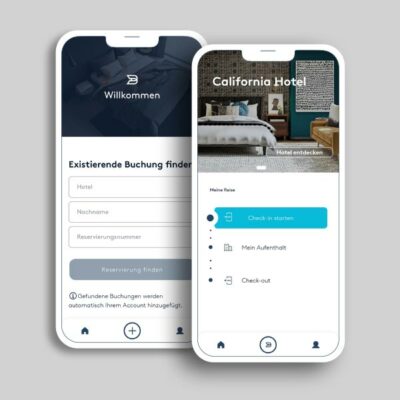
    A staff member brings an iPad to the arriving guest, opens the reservation in the Hotelbird terminal app, and guides the guest through the remaining steps, including registration confirmation, digital signature, payment, and optional wallet key download. It is a guided digital check-in experience rather than self-service.

    How is Flying Reception different from a self-service kiosk?

    A kiosk requires guests to locate and complete the process themselves. Flying Reception keeps a staff member involved throughout the interaction. The operational efficiencies are similar, but the guest experience remains highly personal.

    Does Flying Reception work for upscale and luxury hotels?

    Yes. Flying Reception was specifically designed for hotels that want to improve efficiency while maintaining personal service. The staff member remains at the centre of the interaction while administrative tasks move into the background.

    What if a guest prefers the traditional front desk?

    They simply use the front desk. Flying Reception complements existing operations and allows hotels to offer multiple check-in options simultaneously.

    What are the technical requirements for Flying Reception?

    Hotelbird integrates with Apaleo and Opera Cloud. Clean and current PMS data is required. For payments, Hotelbird supports partners such as Nexi and Adyen directly within the check-in flow.

  • hotel automation ROI: why digital check-in alone doesn’t pay off

    hotel automation ROI: why digital check-in alone doesn’t pay off

    Digital check-in is no longer a differentiator. Most hotels already offer it: a pre-arrival email, registration on the guest’s phone, a walk past the queue. The experience looks modern and the investment feels justified.

    But for owners and operational leaders, the more useful question is still open: is the process actually generating the return it could?

    Operational ROI in hotel automation is the measurable time, cost, and error reduction a tool delivers across the full workflow, not just at the guest-facing moment. By that definition, a digital check-in that saves time at the desk but leaves the back office untouched is only capturing a fraction of its potential return.

    What “operational ROI” actually means for a hotel

    Most automation is measured by what guests see. Operational ROI measures what staff stop doing.

    A useful way to separate the two:

    • Surface automation digitizes the guest-facing step – the guest checks in on their phone instead of at the desk.
    • Deep integration removes the work behind that step – the PMS updates itself, the invoice generates correctly, room status changes in real time, and no one has to intervene.

    The gap between those two is where ROI is won or lost. A hotel processing arrivals with surface automation alone can save up to 8 minutes of front-desk time per guest, so real value. But if a staff member still opens a second system to resolve every group booking, that saving is partially eaten by relocated manual work.

    Why digital check-in alone doesn’t deliver the full return

    A digital check-in genuinely thins out peak-hour queues and modernizes the arrival. That part works.

    The trap is assuming the job is finished there. When automation stops at the surface, the back office often looks much the same as before:

    • Group bookings still need front-desk intervention, because self-service flows can’t always handle multiple guests on one reservation.
    • Upsells get purchased digitally, but fulfillment still depends on manual follow-up between teams or systems.
    • Invoices still get split by hand between private and business expenses, then forwarded to different recipients.

    The guest checked in digitally – but the operational complexity didn’t disappear. It moved into inboxes, dashboards, and manual handovers. Real operational ROI doesn’t relocate friction. It removes it.

    The hidden cost: every manual bridge is a recurring expense

    Whether digital check-in pays off isn’t decided by the guest-facing flow. It’s decided by what happens after.

    Every manual bridge between systems – a status check, a forwarded confirmation, a report someone pulls each morning – is a small recurring cost. Individually they look trivial. Multiplied across often hundreds of daily transactions, they become one of the largest hidden line items in a hotel’s operation.

    The same logic applies to tool sprawl. Many hotels run their guest journey across separate providers for communication, check-in, upselling, guest directories, and payments. Each gap between those tools is a point where automation breaks and manual work creeps back in. Consolidating onto fewer, deeply integrated systems doesn’t just cut subscription costs, it removes the friction that was quietly undermining the ROI of every individual tool.

    This is the principle behind end-to-end guest journey automation: connecting the entire guest journey – from pre-arrival to check-out and invoicing – to the back office so that the work closes itself, rather than landing on a staff member’s desk.

    The HOTEL AUTOMATION ROI Framework: 5 questions before you buy

    When the goal is real operational return rather than a modern appearance, the evaluation questions change. Use these five before adopting any new tool:

    1. COVERAGE
    Which use cases does it handle – including the complex ones (group bookings, split invoices) that cost front-desk teams the most time? Does the data really flow end-to-end?

    2. RESIDUAL MANUAL WORK
    Is there any manual step left in the process, no matter how small?

    3. TIME SAVED
    How much time does it remove across the full daily routine, not just at one touchpoint?

    4. CONSOLIDATION
    Can existing tools be replaced with fewer, deeper integrations?

    5. COMPLIANCE & ERROR
    Does the setup reduce human error and ensure legal compliance automatically?

    A tool that scores well on all five doesn’t just offer a digital check-in option. It makes the operation leaner, more reliable, and measurably cheaper to run.

    What end-to-end guest journey automation looks like in practice

    In an integrated setup, a group booking checks itself in without front-desk help. An upsell purchased at 11pm triggers fulfillment automatically the next morning. An invoice splits private and business charges and routes each to the right recipient with no one forwarding anything.

    That’s the difference between automating the moment and automating the outcome. The first looks modern. The second shows up on the P&L.

    Hotelbird is built around this principle: connecting check-in, communication, upselling, and payments into a single integrated flow that updates the PMS and closes the loop automatically – so the saving is real, not relocated.


    What is operational ROI in hotel automation? 

    It’s the measurable reduction in time, cost, and errors a tool delivers across the entire workflow, not just the guest-facing step. A digital check-in that saves front-desk time but leaves manual back-office work in place delivers only partial operational ROI.

    Does digital check-in alone improve ROI? 

    Partly. It reduces queues and front-desk time at arrival, which is real value. But if group bookings, upsell fulfillment, or invoicing still require manual work, much of the potential return is lost behind the scenes.

    Why does PMS integration matter for ROI? 

    Because every manual bridge between systems is a recurring cost. When check-in updates the PMS, room status, and invoicing automatically, those repeated manual steps disappear – which is where the measurable savings come from.

    How do I evaluate a hotel automation tool? 

    Use the five questions in the Operational ROI Framework above: coverage of complex use cases, any residual manual work, total time saved, consolidation potential, and error/compliance reduction.

    What is end-to-end guest journey automation? 

    Connecting every stage of the guest journey – from pre-arrival to check-out and invoicing – directly to the back office, so the work completes itself instead of landing on staff.


  • why NFC Technology belongs into hospitality now

    why NFC Technology belongs into hospitality now

    If you’ve ever used your Apple or Google Wallet to store a boarding pass, concert ticket, or loyalty card, you already understand the concept behind a Wallet Key. The idea of replacing physical cards with digital ones isn’t new, it’s how we navigate everyday life.

    But not all Wallet Keys are created equal.

    Some are simply digital copies of plastic or paper cards, still relying on QR codes that need to be scanned. You’ve probably experienced it: opening the screen, turning up the brightness, holding your phone at just the right angle, all while juggling your belongings. It’s digital, yes, but it’s not seamless.

    That’s where NFC comes in. It’s the technology behind tap-to-pay and it’s what makes Wallet Keys not just work but feel effortless. And now, it’s finally making its way into hotels.

    Door Access Is at a Turning Point

    For years, hotels have been stuck in a messy middle ground of door access technology. Physical keycards still dominate. Mobile keys exist, but often require guests to download a separate app, rely on strong internet connections, or deal with Bluetooth (BLE) or web-based (PWA) setups that are prone to error. A failed update, weak Wi-Fi, or unsupported browser can break the guest journey entirely and send guests back to the front desk for manual support.

    In the meantime, your guests are comparing your check-in process to the tap-to-pay experience they just had at the airport café and it’s not a flattering comparison. Guests expect more. Today’s travelers are mobile-first, time-sensitive, and comparison-driven. Waiting in line to check in or downloading an app just to open a door doesn’t just feel inconvenient, it feels outdated.

    Add to that the reality of reduced front desk staffing, the rising need for team efficiency, and the demand for consistent, brand-worthy digital experiences across properties and the case becomes clear: Hotels don’t just need a digital key. They need a better one.

    That’s why NFC belongs in hospitality. Not as another digital layer, but as a smarter, simpler replacement for the systems that no longer meet the expectations of modern guests and operations.

    A Technology That Feels Effortless — and Actually Is

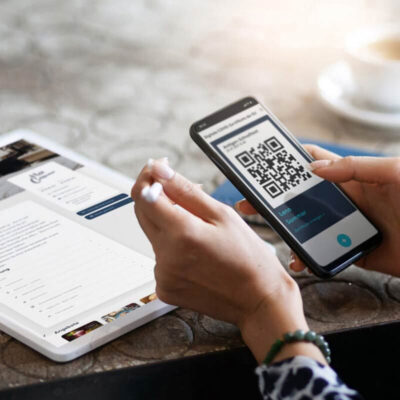
    With an NFC Wallet Key, there’s no need to download an app, scan a code, or even unlock the phone. Guests simply tap their device or smartwatch and the door unlocks. No Wi-Fi or charged battery required.

    And while that means a much smoother and more independent journey for guests, the benefits for hotels are just as significant.

    There’s no need to onboard guests to an app or assist them with QR code scanning. Keycards no longer need to be handed out or replaced when lost. Late arrivals and reception-less hotel concepts become easier to manage. Front desk queues, especially during peak check-in and check-out times, are significantly reduced. Support costs drop as technical errors and user friction disappear, and both guests and staff experience fewer moments of frustration.

    Together, these efficiencies reduce operational overhead while freeing up time for what actually matters: meaningful guest interactions.

    Wallet Keys Are Already in Your Guests’ Pockets, It’s Time to Use Them

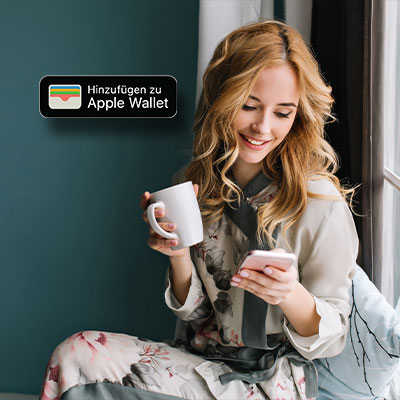
    With NFC Wallet Keys, hotels can leverage a technology guests already know and trust with no extra explanation required. And unlike most tech shifts, this one doesn’t need adoption training. Just a simple message: „Your room key is now in your Wallet.”

    It won’t be the right solution for every single guest, but for regular travelers, tech-savvy guests, and anyone who values convenience, it’s a small change with a big impact. Because what will stick with guests is no longer the interaction at the front desk, but how easily they could navigate their stay.

    Hotelbird has recently announced the launch of digital wallet room key compatibility for its guest experience platform, with the first deployment taking place at Welcome Hotel Darmstadt. Deployed in collaboration with leading access control solutions provider, Vingcard, the next generation of room access for hotels is now seamlessly available within the Hotelbird ecosystem and is already setting a new standard in guest convenience, satisfactionand loyalty.

  • The ROI of Hotel Upselling: The Feature That Pays for Itself – and Turns a Profit

    The ROI of Hotel Upselling: The Feature That Pays for Itself – and Turns a Profit

    Automated hotel upselling in many cases generates enough additional revenue to finance your entire digital guest journey and become profitable from the first month.

    Breakfast. Late check-out. Parking. Room upgrades. Spa treatments. The challenge has never been finding things to upsell – it has been selling them consistently, at scale, and turning them into predictable, stable revenue streams. Automation solves exactly that.Traditionally, upselling depended on reception staff mentioning offers at check-in, answering questions, or manually processing requests. That approach works, but manual processes are difficult to scale, inconsistent by nature, and leave significant revenue potential untapped.

    Automated upselling changes that equation. Instead of relying on individual interactions, every guest receives relevant offers automatically throughout their digital journey – generating additional revenue without creating additional work. Here are four reasons why automated upselling has become one of the strongest business cases in hotel technology.

    Hotelbird Upselling

    1. Automated upselling can pay for your entire guest journey – and generate profit beyond that

    Rather than simply generating additional ancillary revenue, automated upselling can fundamentally change the ROI of your hotel technology investment.

    Results like the ones from AMERON München Motorworld change the business discussion entirely. Instead of asking whether digital check-in, mobile keys, or self-service justify their own investment, upselling creates a revenue stream that helps pay for all of them.

    Ameron Collection Logo

    Within its first month of using Hotelbird Upselling, AMERON München Motorworld generated enough revenue through upselling with Hotelbird to refinance the entire software investment not only for the current month, but for more than one year ahead:

    2. Automated upselling starts generating revenue from day one – and keeps growing

    One of the biggest advantages of automated upselling is how quickly it starts delivering results. As the example above shows, hotels can generate enough additional revenue to refinance their investment within the first month. But that is only the beginning.

    Across Hotelbird customers, we consistently see upselling revenue continue to grow after launch, as hotels expand their offer portfolio, optimize their upselling strategy, and guests increasingly engage with digital offers.

    Althoff Collection Logo

    The revenue multiple compared to the month they introduced automated upselling with Hotelbird: 

    3. Automated upselling reduces operational costs

    Revenue is only one side of the business case. Traditional upselling also consumes valuable staff time. Reception teams need to remember available offers, present them to guests, answer questions, and manually process purchases. Automation removes almost all of that effort.

    The result is a double return on investment: additional ancillary revenue on one side and lower operational costs on the other.

    • Check-ins/day: 100
    • Time spent per guest on manual upselling: 2 minutes
    • Total time/day: 100 × 2 = 200 minutes (3.33 hours)
    • Staff hourly cost: €18

    4. Automated Upselling Goes Live in Under an Hour – No Integration Needed

    Since automated upselling is a built-in feature within the Hotelbird guest journey rather than a separate tool that needs to be integrated, there’s no lengthy setup process. Hotels don’t need to connect a new system, they simply request to activate the feature.From there, setting up offers – selecting what to sell, defining pricing, and adding branding and visuals – can be completed in under an hour.

    Once live, staff can manage the entire upselling process on their own – adjusting offers, pricing, or availability at any time – without needing external support or technical involvement, and with no recurring service fees. This means hotels don’t just get a fast payback period once live, they get a fast path to going live in the first place, with full control staying in their own hands from day one. 

    How automated upselling works with Hotelbird

    Upselling is fully integrated into the broader guest journey and centrally managed in one place. Hotels define and configure their offers once – content, pricing, availability, branding, and visuals – with the flexibility to tailor them per property where needed.

    From there, Hotelbird automatically distributes and executes these offers across all relevant guest touchpoints. Day-to-day upselling does not require manual management, while hotels retain full control over what is offered, how it is presented, and where it appears.

    Guests interact with upsell offers throughout their journey at natural moments: before arrival via web check-in, during their stay in the digital guest directory, and at arrival through self-service flows such as kiosk check-in or staff-assisted check-in in Flying Reception Mode. In each case, offers are seamlessly embedded into the guest experience and can be booked independently by the guest.

    Guest and purchase data are synchronized in real time with the PMS, ensuring accurate billing, automated folio updates, and smooth operational fulfillment. Staff receive instant notifications when a purchase is made, enabling clear, fast coordination without manual effort.

    → Explore hotel upselling in detail

    The new business case for hotel technology

    The most valuable hotel technologies increase profitability from both angles – They create new revenue and they reduce costs. Automated upselling does both. It also improves the guest experience – a win-win-win situation for hotels. And as customer results increasingly demonstrate, it can even finance the investment in your entire digital guest journey.

    Do you want a guest journey that refinances itself?

    → Reach out to calculate your business case


    How quickly does hotel upselling pay for itself?

    Some hotels see a full return within the first month, depending on the services offered via Hotelbird.

    What can hotels actually upsell through an automated system?

    Common offers include breakfast, late check-out, parking, room upgrades, and spa treatments. Hotels define the offers, pricing, and availability , and can also customize them for each property.

    Does automated upselling require extra staff effort?

    No. That’s one of its core advantages. Instead of reception manually pitching offers and processing requests, the Hotelbirdpresents relevant offers automatically at key touchpoints, freeing up staff time while still generating revenue.

    When in the guest journey do upsell offers appear?

    Offers are shown at natural moments throughout the stay: before arrival via web check-in, during the stay in the digital guest directory, and at arrival through self-service or staff-assisted check-in via the Flying Reception Mode.

    How does upselling revenue stay accurate with hotel billing?

    Purchase data syncs in real time with the property’s PMS, so charges are automatically added to the guest folio and staff get instant notifications when a purchase is made — no manual data handover needed.

    How long does it take to set up automated hotel upselling with Hotelbird?

    Since upselling is a built-in feature within the Hotelbird guest journey, hotels can activate it immediately – no integration required. Setting up offers, including pricing and branding, can typically be completed in under an hour.

  • How Hotel Automation Supports Luxury Hospitality

    How Hotel Automation Supports Luxury Hospitality

    Why luxury hospitality is not about more touch points, but better presence

    Luxury hospitality is entering a new operational era. Across the industry, hotels are digitising more parts of the guest journey: check-in, payments, room access, guest communication, and service coordination. Processes that once required staff interaction are becoming increasingly seamless and automated.

    In upscale hospitality, this shift is often viewed with caution because there is a long-standing assumption behind luxury service models: more human interaction equals better hospitality. So when digital guest journeys enter the conversation, they are often perceived as a trade-off: more automation, less service. More efficiency, less hospitality. But the real question is not whether technology reduces human interaction, but rather:

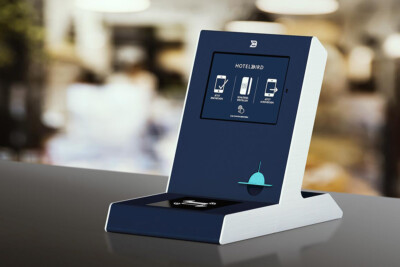
    Tablet with Hotelbird Flying Reception Mode
    Tablet with Hotelbird Flying Reception Mode

    The hidden cost of manual operations in luxury hospitality

    In many luxury hotel environments, a significant portion of staff attention is still spent on operational coordination. Not on poor service. Not on unnecessary work. But on processes that have to be completed before hospitality can fully happen. This includes tasks such as:

    • collecting registration details during check-in
    • manually checking and updating guest data
    • issuing or managing room access
    • splitting invoices and sending them out after departure
    • coordinating internal handovers between front office, reservations, and operations

    These processes matter, but they rarely define how guests remember a stay. And this creates a growing challenge for luxury hotels: the more attention teams spend on process, the less attention remains for presence. Exceptional service is not only a staffing question, it is also an attention allocation question.

    Luxury hospitality is not defined by more interaction

    The best luxury experiences are not defined by the number of touchpoints. Therefore, technology in luxury hospitality should not be judged by whether it removes one of them. The focus needs to shift to protecting the moments where human presence really matters most and what actually makes the experience feel luxurious:

    Being present at exactly the right moment. Not too early. Not too late. Not simply because a process requires it.

    Noticing what matters before the guest has to ask. This requires focus. And focus requires time.

    Understanding when human presence adds value – and when a seamless, invisible process creates the better experience.A remarkable stay is not one where every step is manually delivered. It is one where every human moment feels intentional, personal, and unhurried.

    Automation creates space for hospitality

    Digital check-in is often framed as the removal of human interaction. In reality, it removes administrative friction. Most guests do not define luxury by standing at reception completing transactional steps. They define it through ease, recognition, attentiveness, and personal relevance. The value of automation becomes clearer when viewed as a before-and-after shift

    Staff spend arrival moments collecting registrating and verifying guest data.


    Repetitive operational tasks consume attention throughout the day.


    The team manually coordinates payments, invoice corrections, or split billing requests at check-out.

    This is where digital guest journeys become relevant for luxury hotels. Not because they make hospitality less human, but because they allow hotels to be more intentional about where human interaction happens.

    As a leading platform for hotel guest journey automation, Hotelbird helps luxury hotels rethink how operational workflows and hospitality experiences work together. By connecting processes such as check-in, payments, communication, room access, and check-out into one seamless journey, hotels can reduce operational friction while creating more room for attentive, high-value guest interaction.

    Real presence becomes the differentiator in luxury hospitality

    The most important mindset shift is simple: technology is not the experience. It creates the conditions for better experiences to happen.When repetitive operational tasks are automated, staff attention becomes less fragmented. Service becomes more intentional. Teams gain more time for guests. Hospitality becomes less reactive and more present. The purpose is not to replace hospitality, but to create more room for it. 

    The future of luxury hospitality will not be defined by how many touchpoints remain manual. It will be defined by how deliberately hotels design the moments where human presence creates the greatest value. Luxury hospitality is not becoming less personal. It is becoming more intentional.

    The hotels that will lead in the coming years are unlikely to be those with the highest number of touchpoints. They will be the ones that understand where operational friction should disappear – so meaningful hospitality can fully unfold. Because the real luxury today is not more interaction. It is meaningful presence at exactly the right moment.


    Does digital check-in reduce personal service in luxury hotels? 

    Not necessarily. Digital check-in can reduce administrative friction and give hotel teams more time for meaningful guest interaction.

    Why are luxury hotels investing in automation?

    Luxury hotels are investing in automation to reduce manual workload, improve operational consistency, and protect staff time for high-value service moments.

    What kind of hotel tasks can be automated without reducing hospitality?

    Tasks such as registration workflows, payment coordination, invoice delivery, pre-arrival communication, check-out steps, and room access can often be automated without reducing the quality of human service.

    How does automation support luxury guest experiences?

    Automation supports luxury guest experiences by moving transactional processes into the background. This creates more room for timing, attention, and emotionally precise service.

    What is end-to-end guest journey automation?

    End-to-end guest journey automation connects operational workflows across the hotel stay, from pre-arrival and check-in to payments, communication, room access, and check-out.

    Do guest need to download an app to use Hotelbird?

    No, downloading an app is not required. Hotelbird’s digital guest journey is platform-independent and operates entirely through a web-based solution.

  • Hotel Upselling: Automated vs. manual Approaches Compared

    Hotel Upselling: Automated vs. manual Approaches Compared

    In volatile market conditions, most hotels are looking for ways to reduce costs or create additional revenue streams. Both become increasingly difficult when relying solely on traditional revenue levers.

    Occupancy has a hard ceiling. Rates have a commercial ceiling before demand softens. At some point, the better growth opportunity is not selling more rooms. It is generating more value from the guest journey the hotel already operates every day.

    Hotel upselling is one of the clearest ways to do that. It leverages services that hotels already offer but often struggle to monetize at scale, turning existing guest touchpoints into meaningful additional revenue.A room upgrade, late check-out, breakfast package, parking space, spa treatment, or welcome amenity creates additive revenue without increasing room inventory or pushing the base rate higher.

    But the main challeng eis not deciding what tos ell.It is making upselling reliable enough to become a meaningful revenue stream.

    How many guests see the right offer at the right moment? How consistently does that happen? And how much front office effort does it still require?

    That is where front desk upselling and automated upselling differ most. One depends on a staff member initiating a conversation. The other builds upselling into the digital guest journey, so offers appear consistently across check-in, pre-arrival communication, and in-stay touchpoints.

    What Is Automated Hotel Upselling? 

    Automated hotel upselling is the process of presenting additional services and products through digital guest touchpoints at the right moment, rather than relying exclusively on staff interactions. It also includes the automated synchronization of guest and purchase data with connected systems such as the PMS, payment infrastructure, and fulfillment workflows.

    Common upsell opportunities include, for example:

    • room upgrades
    • late check-out
    • breakfast packages
    • parking
    • spa treatments
    • welcome amenities
    • pet servies

    The goal is simple: increase guest exposure to relevant offers, improve conversion opportunities, and create a more reliable ancillary revenue stream.

    For hotel operators, automated upselling is not just a digital sales feature. It is a way to turn existing guest journey touch points into measurable revenue without adding more manual work to the front office.

    Why Manual Front Desk Upselling Leaves Revenue Untapped

    Front desk upselling is still the default in many hotels. A receptionist offers a room upgrade, late check-out, breakfast, or another add-on while the guest checks in. In the right moment, this can work well. A personal recommendation from an experienced team member still has value.

    The problem is that front desk upselling depends on too many variables:

    • An agent has to remember to ask.
    • The guest has to be receptive.
    • The lobby cannot be too busy, so there is enough time to discuss, process, and manage the upsell.
    • The check-in process needs enough space for a commercial conversation.

    In practice, that alignment is rare.

    During group arrivals, conference periods, weekend turnover, or late-night check-ins, front office teams focus on speed, accuracy, and queue management. Upselling is usually the first thing skipped.nThe busier the hotel gets, the less manual upselling happens. That is the opposite of what a revenue process should do.

    There is also the guest context. A guest arriving after a delayed flight may not want to make a decision at the desk. A guest with people waiting behind them may decline simply to move faster. A receptionist who senses friction may back off, even if the guest might have accepted the same offer earlier in the journey.

    The result is clear: Front desk upselling is not a reliable revenue channel. It is an occasional success that depends on favorable conditions.

    How Hotelbird Integrates Upselling Into the Digital Guest Journey

    Automated hotel upselling turns extra services into a structured part of the guest journey and a reliable revenue stream. Instead of relying on an unscripted front desk conversation, offers are presented at defined digital touchpoints. Guests see relevant options when they have more time, less pressure, and a clearer decision context.

    This is where Hotelbird integrates upselling into the end-to-end guest journey, fully automated. Many hotel upselling solutions operate as standalone tools that need to be connected to existing guest-facing systems.

    Hotelbird takes a different approach. Because upselling is built directly into the broader guest journey platform, hotels can combine digital check-in, payments, door opening, guest communication, and upselling within the same operational workflow. Guest and purchase data are synchronized reliably with the PMS, ensuring smooth fulfillment processes and automatic folio updates. This reduces system complexity while ensuring upselling remains part of the guest journey rather than a separate process.

    At the self-service check-in terminal in the lobby, the offer appears as a natural step in the check-in flow. The guest can review and add it to their stay independently, without holding up a queue or feeling pressured to spend money.

    In Flying Reception Mode, where staff support guests using a tablet away from the traditional front desk, the same structured upsell step remains part of the process. This means the offer appears consistently even when check-in happens in the lobby, at a seating area, or in another arrival scenario.

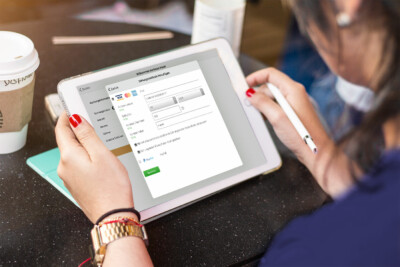
    The Flying Reception Mode at Jaz in the City Amsterdam

    Through pre-check-in and the digital guest directory, hotels can reach guests before arrival and again during the stay. Offers can further be supported by timed emails, instead of being left to chance.

    That matters operationally. These channels do not disappear when occupancy rises. They do not depend on which agent is on shift. They do not rely on a guest being in the right mood at reception. They make upselling part of the journey by default. Upselling remains part of the guest journey and is only skipped when a guest actively decides not to purchase an additional service.

    For hotel groups and complex hotel environments, this is especially important. In Hotelbird, upsell offers can be centrally managed, adjusted per property, and tracked across channels. Offers, pricing, descriptions, images, branding, and communication can be controlled from one place while still allowing local customization.

    That is difficult to achieve when upselling lives only in front desk conversations.

    Why Automated Upselling Captures Revenue Manual Processes Miss

    Automated upselling generates more revenue because it removes the operational bottlenecks that limit manual upselling. The comparison is not about whether front office teams are good at selling. The issue is that upselling should not depend on staff bandwidth, guest stress levels, arrival peaks, or the specific check-in path a guest happens to use.

    Automated upselling increases the share of guests who actually see the offer. That alone changes the revenue logic. When upselling is built into pre-check-in, terminal check-in, Flying Reception Mode, guest communication, and the digital guest directory, revenue capture no longer drops during the exact periods where manual upselling is hardest:

    • high occupancy
    • group arrivals
    • late arrivals
    • busy reception periods
    • staff shortages

    These are the moments where manual upselling often falls away. Automated upselling keeps the offer visible. This turns upselling from an occasional front desk win into a more predictable revenue stream.

    For Hotelbird customers such as Althoff and Jaz in the City Amsterdam (H World), automated upselling often becomes much more than an additional feature. It becomes a measurable revenue stream. Some hotels have seen automated upselling grow into a meaningful share of total revenue on its own, simply because offers consistently reach more guests throughout the journey – some generate up to 15% additional revenue, depending on their offers.

    Other hotels refinanced its entire Hotelbird investment with the revenue coming from upselling within the first month – after which the broader guest journey automation, including digital check-in, guest communication, and payments, effectively paid for itself.

    This is what makes automated upselling different from traditional front desk upselling. It is no longer an occasional opportunity. It becomes a predictable and measurable revenue stream.

    The commercial point is straightforward: Hotels do not just need better upsell offers. They need a more reliable way to present, convert, and fulfill those offers across the guest journey.

    The Hotel Upselling Evaluation Framework 

    If you are evaluating hotel upselling software, the key question is not whether the tool can display an offer. The key question is whether it can turn upselling into a consistent, measurable, and scalable revenue workflow.

    Use the Hotel Upselling Evaluation Framework to assess whether a solution can support real revenue impact and is built around one core principle: The best upselling solution is the one that reaches the highest share of guests with the lowest operational effort and the highest conversion potential.

    Does the offer appear across every check-in path guests actually use? This includes pre-check-in, self-service terminals, staff-assisted tablet check-in, guest communications, and the digital guest directory. If upselling is only available in one channel, its revenue potential will remain limited.

    Can offers, pricing, branding, and content be managed centrally across properties? For hotel groups, this is essential. Without central control, upselling becomes fragmented and difficult to optimize.

    Can each hotel still adjust offers, images, descriptions, and pricing while staying within a central structure? A resort, city hotel, conference property, and airport hotel will not sell the same add-ons in the same way.

    Are offers tied to relevant guest journey moments? Good upselling is not about pushing offers everywhere. It is about presenting them when they make sense to the guest and hotel.

    Can offers be reinforced through automated email? One touchpoint is rarely enough. Strong upselling workflows use multiple moments without overwhelming the guest.

    Are purchased add-ons posted automatically to the PMS and guest folio? If staff still need to reconcile purchases manually, the process creates operational drag.

    Do teams receive real-time information when a guest buys an add-on? Upselling is only truly automated if fulfillment is part of the workflow.

    Can the hotel see which offers convert, through which channels, and at which properties? Without reporting, teams cannot improve pricing, packaging, or positioning over time.

    Is upselling part of the same guest journey platform, or is it a separate tool that must be integrated and maintained? The more disconnected the setup, the higher the operational risk.

    The fewer of these criteria a solution covers, the closer it is to manual upselling with a digital layer on top. 

    Turning Hotel Upselling Into a Predictable Revenue Stream

    Front desk upselling will always have a role. A well-timed personal recommendation can still create value. But as a primary revenue strategy, manual upselling depends on conditions hotels cannot fully control: staff availability, guest mood, arrival volume, and lobby pressure.

    Automated upselling changes that. Hotels do not struggle to create upsell offers. They struggle to present those offers consistently enough to turn them into a meaningful revenue stream. The more reliably guests encounter relevant offers throughout the journey, the more predictable ancillary revenue becomes.

    By building offers into the digital guest journey, hotels can reach more guests, create more consistent exposure, and capture revenue that manual processes often miss. That is the bigger opportunity.

    Hotel upselling should not be treated as a side task at reception. It should be treated as a structured revenue workflow across the guest journey. For hotels already investing in automation, upselling is one of the most direct ways to turn operational efficiency into measurable commercial impact.


    What is the difference between manual and automated hotel upselling? 

    Manual hotel upselling relies on staff presenting add-ons during a guest interaction, usually at check-in. Automated hotel upselling presents offers through digital guest journey touchpoints such as pre-check-in, terminal check-in, guest communication, and the digital guest directory.

    Does automated upselling replace front desk upselling?

    No. Automated upselling does not replace personal service. It makes sure every guest can see relevant offers consistently, while front office teams can focus on service, fulfillment, and higher-value guest interactions.

    Which channels should automated upselling work in? 

    Automated upselling should work across the main guest journey channels: pre-check-in, digital check-in, self-service terminals, staff-assisted tablet check-in, guest communication, and the digital guest directory. For stronger results, offers should not be limited to one isolated touchpoint.

    Is automated hotel upselling worth the investment?

    Automated hotel upselling is worth evaluating when a hotel wants to grow ancillary revenue without increasing front office workload. The business case is strongest when the tool reaches a high share of guests, integrates with operational workflows, and provides clear reporting on revenue performance.

    How should hotels evaluate an upselling tool? 

    Hotels should evaluate upselling tools based on

    • channel coverage
    • central management
    • property-level customization
    • timing logic
    • guest communication
    • PMS or billing integration
    • staff visibility
    • reporting
    • whether upselling is part of a broader guest journey automation platform.
    Do guest need to download an app to use Hotelbird?

    No, downloading an app is not required. Hotelbird’s digital guest journey is platform-independent and operates entirely through a web-based solution.